
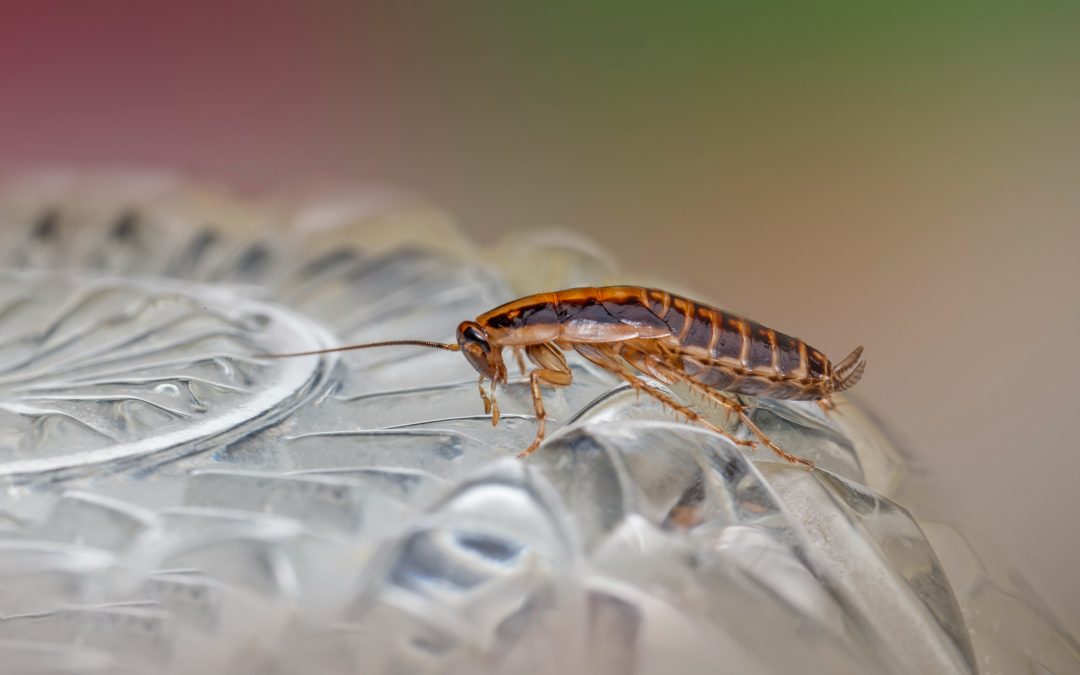
Cockroaches are among the most persistent household pests found in Texas. They can enter homes through small openings, hide in dark spaces, contaminate food preparation areas, and reproduce quickly when conditions are favorable. Once cockroaches establish themselves inside a home, getting rid of them can become a frustrating challenge.
Homeowners in Fort Worth, Arlington, Euless, Bedford, and surrounding communities frequently encounter cockroaches around kitchens, bathrooms, garages, laundry rooms, and other areas where food and moisture are available.
Understanding why cockroaches enter homes, where they hide, and what attracts them can help homeowners reduce the risk of an infestation.
Why Are Cockroaches So Common in Fort Worth?
Cockroaches are adaptable insects that can survive in many different environments. North Texas homes provide numerous opportunities for them to find food, water, and shelter.
Warm temperatures, moisture, landscaping, outdoor storage areas, and accessible garbage can all contribute to cockroach activity around residential properties.
Some cockroach species primarily live outdoors but enter homes while searching for food or shelter. Others, particularly German cockroaches, are more likely to establish indoor populations around kitchens and other areas where food and water are readily available.
Homeowners in Fort Worth, Hurst, Haltom City, and North Richland Hills may encounter different types of cockroaches depending on the surrounding environment and the conditions around their properties.
Identifying the species is important because different cockroaches can require different control strategies.
Where Do Cockroaches Hide Inside Homes?
Cockroaches prefer dark, protected locations where they can remain undisturbed during the day. They typically become more active at night when people are sleeping and household activity decreases.
Common cockroach hiding places include:
- Under kitchen sinks.
- Behind refrigerators and stoves.
- Inside cabinets and pantry areas.
- Around plumbing connections.
- Behind bathroom fixtures.
- Inside wall cracks and gaps.
- Around water heaters and laundry equipment.
- Inside garages and storage spaces.
German cockroaches often establish populations near kitchen appliances, cabinets, and plumbing because these locations provide convenient access to food and moisture.
Larger outdoor-associated cockroaches may enter through gaps around doors, windows, foundations, rooflines, and utility connections.
If you are seeing cockroaches regularly in your home in Arlington, Euless, Bedford, or Pantego, it is important to determine where they are coming from instead of treating only the locations where they happen to appear.
Signs of a Cockroach Infestation
Seeing a cockroach occasionally does not always mean an established indoor infestation exists. However, repeated sightings should not be ignored.
Several warning signs can indicate a growing cockroach population.
Frequent sightings: Seeing cockroaches during the day may indicate a substantial population or disturbed hiding places.
Droppings: Cockroach droppings can resemble small dark specks or coffee grounds, depending on the species.
Egg cases: Cockroach egg cases, known as oothecae, may be found around cabinets, appliances, and other protected areas.
Unpleasant odors: Large infestations can produce a noticeable musty or unpleasant smell.
Shed skins: Cockroaches shed their outer coverings as they grow, and these skins may accumulate around hiding places.
Homeowners in Kennedale, Hurst, and Haltom City should pay particular attention to kitchens and bathrooms because these areas often provide the moisture and food sources cockroaches need.
What Attracts Cockroaches to Your Home?
Cockroaches are primarily searching for three things: food, water, and shelter.
Even small amounts of food residue can provide enough nourishment to support cockroach activity. Crumbs beneath appliances, grease around cooking equipment, unsealed food containers, and uncovered garbage are all potential attractants.
Water is equally important. Leaking pipes, dripping faucets, condensation, and damp areas under sinks can provide the moisture cockroaches need.
Clutter also creates additional hiding places. Cardboard boxes, paper bags, unused appliances, and piles of stored belongings can provide protected locations where cockroaches can remain undisturbed.
To reduce the likelihood of an infestation, homeowners should keep kitchens clean, repair plumbing leaks, store food in sealed containers, and remove unnecessary clutter.
Outdoor maintenance matters as well. Firewood, leaves, cardboard, and other debris stored close to the house can provide shelter for insects that may eventually enter the building.
Why Store-Bought Cockroach Sprays Often Fail
Many homeowners initially try to control cockroaches using products purchased at a grocery store or hardware store.
While certain products can kill individual cockroaches, they do not necessarily eliminate the population responsible for the problem.
Spraying visible insects may leave eggs, hidden insects, and other members of the population untouched. Some sprays can also interfere with bait products when used incorrectly.
Cockroaches may be hiding inside walls, behind appliances, or in other locations that household sprays cannot adequately reach.
Effective cockroach management requires identifying the species, locating the main activity areas, reducing food and moisture sources, and using appropriate control products.
Professional Cockroach Control in Fort Worth
A professional pest control inspection can help determine whether cockroaches are entering from outside or reproducing inside the home.
The difference is important because treating an outdoor entry problem is not necessarily the same as eliminating an established indoor population.
Professional treatment may involve targeted applications, bait placements, monitoring, and recommendations for sealing openings or correcting moisture problems.
Homeowners in Fort Worth, Arlington, Euless, and surrounding communities should also understand that severe infestations may require follow-up visits to evaluate treatment results and address remaining activity.
A comprehensive approach is generally more effective than repeatedly treating the same visible locations without investigating the underlying source.
Keeping Cockroaches Away After Treatment
Once cockroach activity has been reduced, prevention becomes an important part of maintaining the results.
Keep kitchen counters and floors clean. Avoid leaving dirty dishes in the sink overnight. Store pet food in sealed containers and clean feeding areas regularly.
Repair plumbing problems and check underneath sinks for moisture. Seal openings around pipes, windows, doors, and other exterior penetrations.
Garbage should be stored in containers with secure lids, and outdoor trash areas should be maintained regularly.
Residents in Bedford, North Richland Hills, Pantego, Kennedale, and Haltom City can also reduce outdoor pest pressure by keeping vegetation and debris from accumulating directly against their homes.
Protect Your Home From Cockroaches
Cockroaches can be difficult to control once they establish a population indoors. They reproduce quickly, hide in protected areas, and take advantage of even small food and moisture sources.
If you are seeing repeated cockroach activity, it is better to investigate the problem before it becomes more extensive.
Visit https://getpestcontrolfortworth.com/ for information about pest control in Fort Worth and surrounding North Texas communities. Taking the right steps can help protect your home and reduce the chances of another cockroach infestation.