Termites are among the most destructive pests that can affect residential properties. Unlike insects that simply enter a home looking for food or shelter, termites can actually feed on materials that make up the structure of a building.
Wood framing, flooring, trim, and other cellulose-containing materials can become targets when termite colonies establish themselves near or beneath a home.
For homeowners in Fort Worth, Arlington, Euless, Bedford, and surrounding North Texas communities, termite prevention and early detection are important parts of protecting a property’s long-term condition.
Why Are Termites a Concern in Fort Worth?
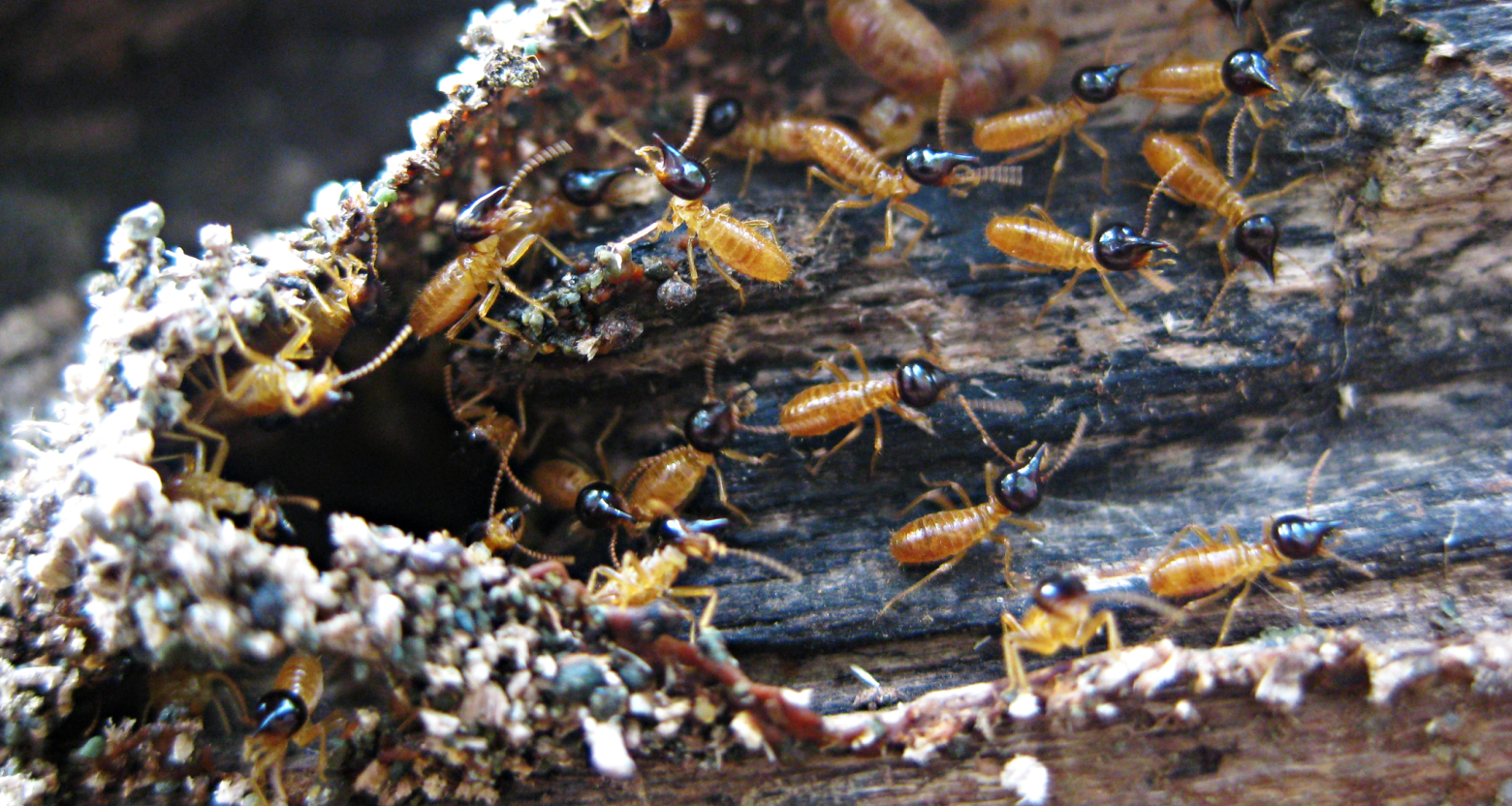
Subterranean termites are an important concern throughout much of Texas. These insects live in colonies and commonly travel through soil while searching for wood and other cellulose-containing materials.
Because they often remain hidden, homeowners may not realize termites are present until visible signs of activity or damage appear.
Subterranean termites can enter a home through soil contact, foundation openings, cracks, and other concealed pathways. They may also build protective mud tubes that allow them to travel between their underground colonies and wooden materials.
Properties in Fort Worth, Kennedale, Hurst, and North Richland Hills should be monitored for conditions that encourage termite activity.
Moisture problems, wood-to-soil contact, and untreated wooden materials near the foundation can increase the likelihood of termite problems.
Signs of Termites Around Your Home
Termites are not always easy to identify because much of their activity takes place inside wood or underground.
However, several warning signs may indicate a potential infestation.
Mud tubes: Subterranean termites often construct narrow mud tubes along foundations, walls, and other surfaces. These structures provide protected pathways between the soil and their food sources.
Damaged wood: Termite-damaged wood may sound hollow when tapped. Some infestations remain hidden beneath the surface until damage becomes extensive.
Discarded wings: Swarming termites may shed their wings after finding a location to establish a new colony. Piles of discarded wings near windows, doors, and other openings can indicate nearby termite activity.
Swarmers: Winged reproductive termites may emerge during certain conditions, particularly when temperatures and moisture are favorable.
Bubbling or damaged paint: In some cases, termite activity and moisture can cause paint or other surface materials to appear distorted.
If you notice these signs in your Fort Worth home, avoid assuming that the damage is cosmetic. A professional inspection can help determine whether termites are responsible.
How Termites Damage Residential Structures
Termites feed on cellulose, a material found in wood and other plant-based products.
This means they can damage structural components such as floor joists, wall framing, support beams, and other wooden materials.
They may also damage door frames, window frames, cabinets, and flooring.
Because termites often consume wood from the inside out, a piece of wood may appear relatively normal on the exterior while containing significant internal damage.
Over time, untreated termite activity can weaken wooden components and result in expensive repairs.
Homeowners in Arlington, Bedford, Euless, and Pantego should pay particular attention to older wooden structures, additions, decks, and areas where moisture has accumulated.
Conditions That Can Attract Termites
Termites need moisture and access to cellulose-containing materials.
Although they can infest homes in many different conditions, certain property features can increase the risk.
One common issue is wood-to-soil contact. Wooden siding, support posts, or other materials that touch the ground may provide convenient access.
Moisture around foundations is another concern. Leaking outdoor faucets, poorly directed downspouts, clogged gutters, and plumbing leaks can contribute to damp conditions.
Firewood and scrap lumber stored directly against a home may also create additional opportunities for termite activity.
Landscaping materials should be managed carefully so that soil, mulch, and vegetation do not conceal foundation areas that should remain visible for inspection.
Residents in Hurst, Haltom City, and Kennedale can reduce potential termite risks by maintaining proper drainage and keeping wooden materials away from direct soil contact.
Can You Prevent Termites Yourself?
There are several maintenance steps homeowners can take to reduce the risk of termite problems.
Start by correcting water leaks and drainage issues. Make sure gutters direct water away from the foundation and that downspouts do not discharge directly beside the house.
Avoid storing firewood against exterior walls. Keep lumber, wooden debris, and unused construction materials away from the property.
Where practical, maintain a visible inspection area around the foundation. Avoid allowing landscaping or stored materials to completely conceal the foundation walls.
Inspect decks, porches, fences, and other wooden structures periodically.
These steps can help reduce favorable conditions, but they cannot guarantee that termites will never enter a property.
Professional inspections remain important because termite activity can occur in areas that are not visible during routine homeowner maintenance.
Why Professional Termite Treatment Matters
Termite colonies can contain large numbers of insects, and treating only the visible damage may not address the source of the infestation.
Professional termite control begins with identifying the type of termite, locating evidence of activity, and determining how the insects are accessing the structure.
Depending on the property and infestation, treatment options may include soil treatments, baiting systems, or other appropriate control methods.
The correct approach depends on the building, termite species, soil conditions, and extent of activity.
A professional can also identify moisture problems, potential entry points, and areas that may need additional attention.
Homeowners in Fort Worth and nearby communities should avoid disturbing suspected termite mud tubes or applying random pesticides to damaged wood before an inspection. Doing so may interfere with identifying the extent of the problem.
Termite Prevention for Homes in Arlington and Surrounding Areas
Termite prevention should be considered an ongoing part of property maintenance.
Even if a home has never experienced a termite infestation, conditions can change over time. Landscaping projects, plumbing problems, new wooden structures, and drainage changes may create additional opportunities for termites.
Homeowners in Fort Worth, Arlington, Euless, Bedford, Hurst, Haltom City, North Richland Hills, Kennedale, and Pantego should remain aware of the warning signs.
Regular inspections can help identify problems before damage becomes extensive.
Protect Your Property From Termite Damage
Termites can remain hidden for long periods, making early detection especially important. Once a colony establishes itself near a structure, continued feeding can result in significant damage if the problem is not addressed.
If you notice mud tubes, discarded wings, damaged wood, or other possible signs of termites, consider arranging a professional inspection.
Visit https://getpestcontrolfortworth.com/ for information about pest control in Fort Worth and surrounding North Texas communities. Taking preventive action can help protect your home’s wooden structures and reduce the risk of costly termite damage.
Related posts:
 Mice, Rats, and Termites: Common Pest Problems That Can Damage Your Fort Worth Home
 Mice and Rats in Fort Worth Homes: Warning Signs, Prevention, and Rodent Control
 Cockroach Control in Fort Worth: How to Keep Roaches Out of Your Home
 Cockroaches in Your Kitchen and Bathroom: How to Stop a Roach Infestation in Fort Worth
 Bed Bugs in Fort Worth: How to Recognize an Infestation and Get Rid of Bed Bugs